
Did you know that the average product travels over 1,500 miles before reaching your hands? This incredible feat is made possible by a complex network known as land logistics.
Land logistics is the lifeblood of the global economy, encompassing the planning, execution, and control of the movement of goods overland. It involves everything from trucks transporting groceries across town to trains hauling raw materials across continents. This article delves into the fascinating world of land logistics, exploring its crucial role in ensuring the smooth flow of goods across the globe and its impact on businesses.
The Backbone of Our Supply Chain
Land logistics, as we established, is the engine that keeps goods moving across vast distances. But what exactly makes up this intricate system?
The Core Components: Land logistics can be broken down into three key components that work in seamless coordination:
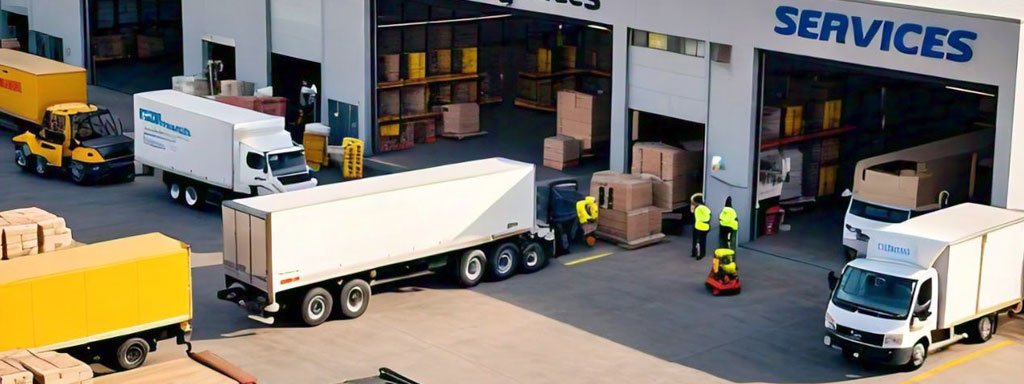
- Transportation: This is the heart of land logistics, involving the physical movement of goods from origin to destination. Trucks are the workhorses of land transport, offering flexibility and reaching a wide range of locations. Trains, on the other hand, provide a cost-effective solution for bulk goods over long distances. Other modes, like pipelines, can also be used for specific types of cargo.
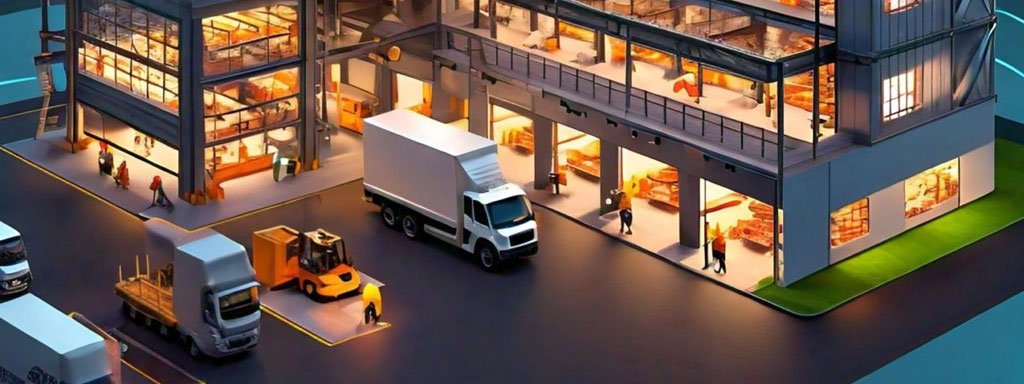
- Warehousing: Efficient storage facilities are essential for land logistics. Warehouses act as temporary holding points for goods before they’re shipped to their final destinations. Modern warehouses often incorporate sophisticated inventory management systems, ensuring optimal stock levels and efficient order fulfillment.
- Distribution: This stage involves getting goods from the warehouse to the end customer. It encompasses route planning to optimize delivery schedules, utilizing the most appropriate transportation modes and even last-mile delivery solutions for direct customer deliveries.
The Impact on Businesses: Optimizing Efficiency and Growth
In today’s competitive landscape, efficient supply chain management is critical for business success. However, businesses often face a multitude of challenges:
- Inventory Management: Balancing inventory levels can be a tightrope walk. Holding too much stock ties up capital, while insufficient inventory leads to stockouts and lost sales.
- Transportation Costs: Fuel prices, route optimization, and choosing the right transportation mode all significantly impact overall shipping costs.
- Delivery Delays: Meeting customer expectations for fast and reliable delivery can be difficult, especially with complex supply chains.
Land Logistics: A Strategic Partner
Fortunately, land logistics companies offer a suite of solutions that can help businesses overcome these challenges:
- Dedicated Trucking: This service provides businesses with exclusive use of a truck and driver for their shipments. This ensures maximum control over delivery schedules and security, ideal for time-sensitive or high-value goods.
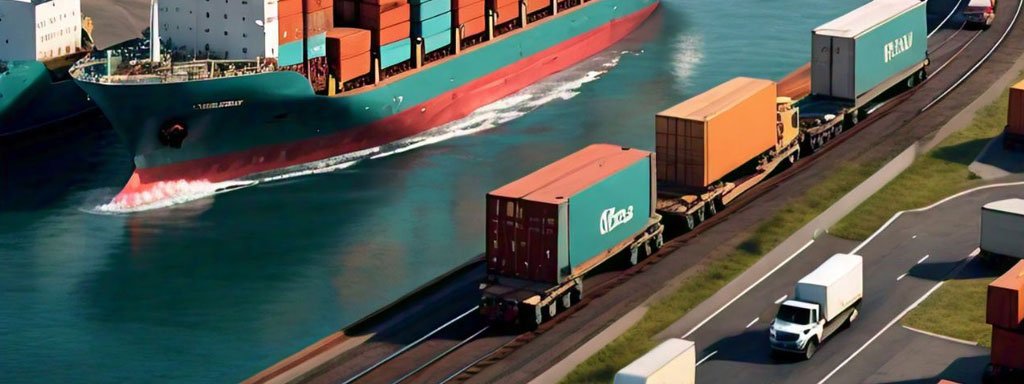
- Intermodal Transportation: Combining the efficiency of trucks with the cost-effectiveness of trains, intermodal transport offers a compelling solution for long-distance shipments. This approach can significantly reduce transportation costs while maintaining reliable delivery times.
- Third-Party Logistics (3PL): For businesses seeking a comprehensive solution, 3PL providers handle the entire supply chain, from warehousing and inventory management to transportation and distribution. This allows businesses to focus on their core competencies while leaving the logistics complexities to experts.
Measurable Impact:
The positive impact of land logistics solutions is undeniable. Here’s a real-world example:
- Case Study: A clothing manufacturer partnered with a land logistics company to implement a dedicated trucking solution. This resulted in a 20% reduction in transportation costs by optimizing delivery routes and reducing reliance on third-party carriers. Additionally, on-time deliveries increased by 15%, leading to improved customer satisfaction and repeat business.
By partnering with a reputable land logistics company, businesses can gain a significant competitive edge through:
- Reduced Costs: Optimizing transportation routes, warehousing strategies, and choosing the right mode of transport can significantly reduce overall supply chain expenses.
- Improved Efficiency: Land logistics solutions streamline operations, ensuring on-time deliveries and minimizing disruptions.
- Enhanced Customer Satisfaction: Faster and more reliable deliveries lead to happier customers and a stronger brand reputation.
Investing in a robust land logistics strategy is an investment in business growth. By leveraging the expertise and solutions offered by land logistics companies, businesses can navigate the complexities of the supply chain with confidence, achieving greater efficiency and profitability.
Land Logistics in Our Everyday Lives
Think about your morning breakfast. The fresh milk, crisp cereal, and fluffy eggs likely arrived at the supermarket thanks to a complex, yet unseen, network called land logistics. But land logistics goes far beyond just groceries. It’s the intricate web that ensures everything from the clothes you wear to the online orders you receive reaches your doorstep.
- Beyond the Delivery Truck: The seemingly simple act of receiving a package involves a fascinating journey. Imagine a vast network of warehouses strategically located near production facilities. These warehouses act as giant storage centers, receiving goods from manufacturers and holding them until they’re needed.
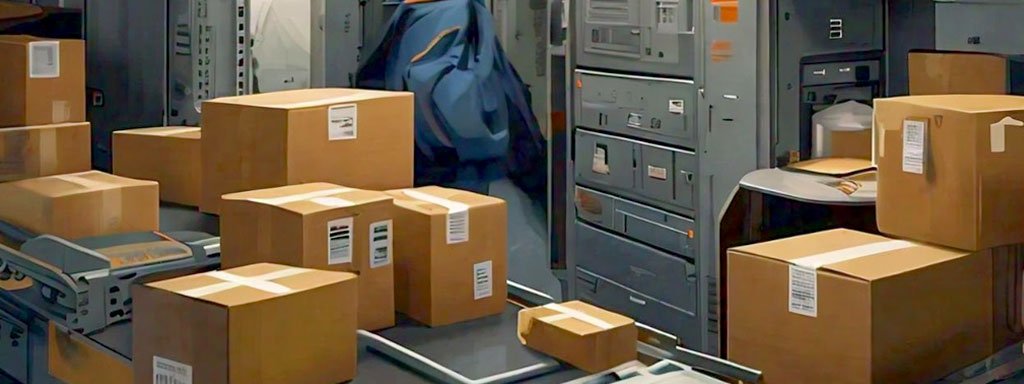
- Distribution Centers: The Sorting Hub: From the warehouses, goods travel to distribution centers. These centers function like sorting stations, meticulously classifying and preparing individual orders for their final destinations.
- Route Planning: The Science of Delivery: But how do these goods get from the distribution center to your home? This is where route planning software comes in. These sophisticated programs map out the most efficient delivery routes, considering factors like traffic patterns, distance, and the number of deliveries.
- Trucks, Trains, and More: The Diverse Fleet: Land logistics utilizes a variety of transportation modes to deliver goods efficiently. Trucks are the workhorses, offering flexibility and reaching a wide range of locations. Trains, on the other hand, transport large quantities of goods over long distances in a cost-effective manner. Specialized vehicles may also be used, like refrigerated trucks for perishable items or tankers for liquid goods.
- The Intricacy Revealed: The next time you receive a package, take a moment to appreciate the unseen journey it took. Warehouses storing goods, distribution centers sorting them, route planning software optimizing deliveries, and a diverse fleet of trucks and trains working together – all these components collaborate seamlessly to ensure the smooth flow of goods in our everyday lives.
The Future of Land Logistics: A Glimpse into Tomorrow’s Innovations
Land logistics is a constantly evolving sector, with emerging technologies poised to revolutionize the way we move goods:
- Drones: Imagine a future where packages are delivered by unmanned aerial vehicles (UAVs), also known as drones. These can reach remote areas inaccessible by traditional vehicles and could significantly reduce delivery times for urgent items.
- Self-Driving Trucks: Autonomous trucks have the potential to transform long-distance haulage. Self-driving technology could increase efficiency by allowing trucks to operate for longer hours without driver fatigue. Additionally, these self-driving vehicles could optimize fuel consumption and reduce accidents.
- Automation: Warehouses are becoming increasingly automated, with robots handling tasks like picking, packing, and sorting goods. This can significantly improve accuracy and efficiency while reducing reliance on manual labor.
These advancements hold great promise for the future of land logistics:
- Enhanced Efficiency: Automation and self-driving vehicles promise to streamline operations, leading to faster deliveries and reduced costs.
- Improved Sustainability: Electric vehicles and optimized routes can minimize carbon emissions, making land logistics more environmentally friendly.
- Expanded Delivery Options: Drones and other innovative solutions could provide faster and more flexible delivery options for consumers, especially in densely populated areas.
Challenges and Opportunities
While these technologies offer exciting possibilities, there are challenges to overcome. Regulations surrounding self-driving vehicles need to be addressed, and the integration of automation within the workforce requires careful planning. Nevertheless, the potential benefits are undeniable.
The Road Ahead
The future of land logistics is brimming with innovation. By embracing these emerging technologies, we can create a more efficient, sustainable, and customer-centric logistics landscape, ensuring the smooth flow of goods for generations to come.
Conclusion: The Engine of Our World
Land logistics, though often unseen, plays a vital role in our everyday lives and the global economy. It’s the intricate network that keeps goods moving, ensuring everything from groceries to clothing reaches its destination efficiently. Businesses rely on land logistics solutions to optimize their supply chains, reduce costs, and meet customer demands. For consumers, land logistics is the invisible force behind the timely deliveries that fuel our modern lifestyles.
As we look towards the future, land logistics is on the cusp of a technological revolution. Drones, self-driving trucks, and automation promise to create a more efficient, sustainable, and customer-centric landscape. By embracing these advancements, we can ensure the smooth flow of goods for generations to come. The future of land logistics is bright, filled with innovation and the potential to transform the way we move the world.
FAQs
Share This Story, Choose Your Platform!
Contents
Related Posts
From Click to Doorstep: The Intricate Journey of Your Online Order
Navigate the Complexities of Mastering Logistics: A Deep Dive into Service Types
The Invisible Force: How Logistics Keeps the World Running
Demystifying Logistics: A Beginner’s Guide to Supply Chain Efficiency