
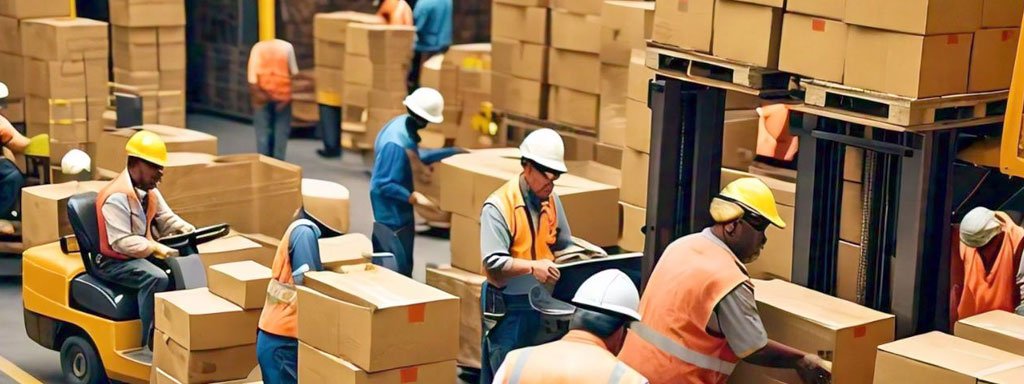
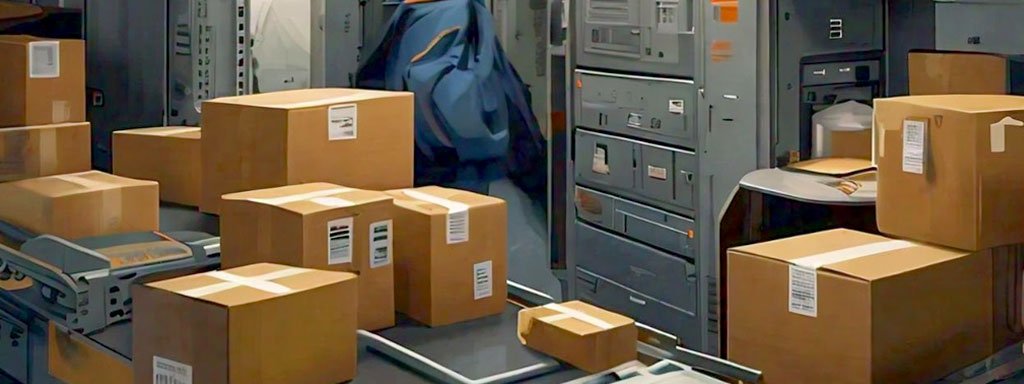
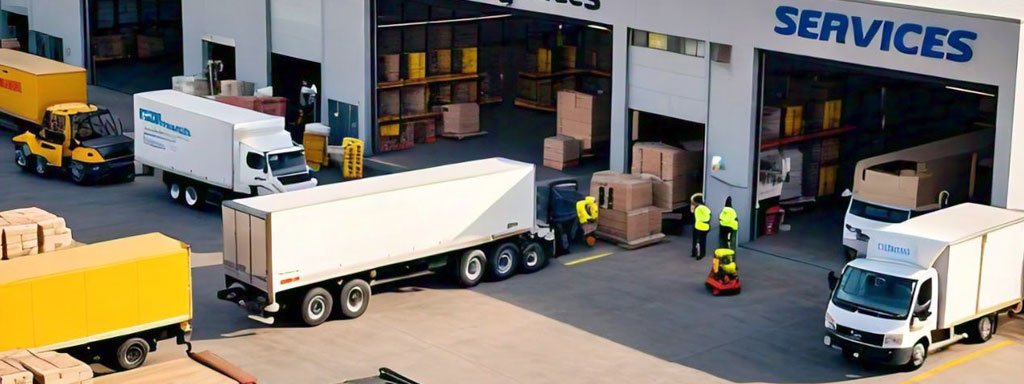

The world we live in thrives on a constant flow of goods. From the clothes on your back to the groceries in your fridge, everything you use has likely traveled a complex journey before reaching you. This intricate dance of getting products from their point of origin to your doorstep is orchestrated by the fascinating world of logistics.
But what exactly is logistics, and how does it impact our daily lives? This beginner’s guide will unveil the mysteries of logistics and explain how it contributes to a smooth and efficient supply chain.
What is Logistics?
Logistics is the complete process of planning, implementing, and controlling the movement and storage of goods and materials. It includes sourcing raw materials, manufacturing products, warehousing, and ultimately delivering them to the end customer. Here’s a breakdown of the key components of logistics:
- Procurement: Sourcing raw materials and components needed for production.
- Transportation: Moving goods from one location to another using various modes like air, sea, or land.
- Warehousing: Storing goods in a safe and organized manner until they are needed.
- Distribution: Delivering products to the final customer or retailer.
- Inventory Management: Tracking and controlling the flow of goods throughout the supply chain.
- Information Technology: Utilizing software and technology to optimize logistics processes.
Why is Logistics Important?
Logistics plays a crucial role in ensuring the smooth functioning of the global economy. Here are some key reasons why it’s important:
- Efficiency: Logistics helps businesses move goods quickly and cost-effectively, reducing waste and optimizing resources.
- Customer Satisfaction: Efficient logistics ensure products are delivered on time and in good condition, leading to happy customers.
- Global Trade: Logistics facilitates international trade by managing the complex movement of goods across borders.
- Economic Growth: A well-functioning logistics system contributes to economic growth by creating jobs and stimulating production.
Understanding Supply Chain Efficiency
The supply chain refers to the entire network of people, processes, and organizations involved in the production and delivery of a product. Supply chain efficiency focuses on optimizing these processes to minimize waste, maximize speed, and reduce costs.
Here are some key aspects of supply chain efficiency:
- Inventory Optimization: Maintaining the right amount of inventory at each stage of the supply chain to avoid stockouts or overstocking.
- Transportation Optimization: Choosing the most efficient and cost-effective transportation method for various types of goods.
- Warehouse Management: Optimizing warehouse layout and operations for faster order fulfillment.
- Collaboration: Building strong relationships with suppliers, distributors, and transportation providers to improve coordination.
- Technology Integration: Utilizing logistics software to automate tasks, track shipments, and gain real-time data insights.
A Special Delivery: Medical Logistics and the Importance of Speed
Medical logistics is a specialized branch of logistics that ensures the timely and secure delivery of critical medical supplies, pharmaceuticals, and blood products. This can involve temperature-controlled transportation for vaccines or organs or rapid delivery of medications to hospitals or patients in need.
Here’s how medical logistics impacts you:
- Life-Saving Deliveries: Efficient medical logistics ensure critical medical supplies reach hospitals and patients quickly, potentially saving lives and improving health outcomes.
- Ensuring Quality: Medical couriers often specialize in maintaining proper temperature control and handling procedures throughout the transportation process, ensuring the quality and effectiveness of medical products.
- Time-Sensitive Transportation: Medical logistics plays a crucial role in emergency situations, delivering blood products or urgent medications swiftly and reliably.
Benefits of a Streamlined Logistics System:
- Reduced Costs: Efficient logistics saves businesses money by minimizing waste, optimizing transportation, and improving inventory management.
- Improved Customer Service: Faster delivery times and accurate order fulfillment contribute to better customer satisfaction.
- Increased Visibility: Real-time tracking and data insights provide greater visibility into the supply chain, allowing for better decision-making.
- Enhanced Agility: A streamlined system allows businesses to adapt to changes in demand or market conditions more quickly.
How Does Logistics Impact You?
Logistics touches your life in countless ways, even if you don’t realize it. Here are some examples:
- The fresh produce in your grocery store: Efficient logistics ensure fruits and vegetables travel long distances while maintaining freshness.
- The clothes you wear: Logistics manages the movement of raw materials to factories and finished products to retail stores.
- The online orders you receive: Logistics systems ensure your purchases are picked, packed, and delivered to your doorstep quickly and reliably.
Demystifying Logistics: The Power Behind Everyday Life
This guide unveiled the world of logistics, the engine that keeps our daily lives running smoothly. From groceries to clothes, efficient logistics ensure products reach you quickly and cost-effectively.
Beyond efficiency, logistics plays a vital role in global trade and economic growth. As technology advances, the future promises even more streamlined and innovative logistics solutions.
By understanding logistics, you gain a deeper appreciation for the complex network that brings the world to your doorstep.
FAQs
Share This Story, Choose Your Platform!
Contents
Related Posts
From Click to Doorstep: The Intricate Journey of Your Online Order
Navigate the Complexities of Mastering Logistics: A Deep Dive into Service Types
The Invisible Force: How Logistics Keeps the World Running
Land Logistics: Boost Efficiency & Growth