
A Deep Dive into Mastering Logistics Service Types
Logistics, the backbone of modern commerce, encompasses the efficient management of the flow of goods, information, and people from the point of origin to the point of consumption. From raw materials to finished products, logistics ensures seamless movement across the supply chain. This article delves into the diverse world of logistics services, shedding light on their roles and benefits for businesses.
Freight Forwarding: Your Global Shipping Partner
Freight forwarding is essential to international trade, coordinating the transport of goods from the exporter’s location to the importer’s destination. Key functions include:
- Customs clearance: Navigating complex regulations and paperwork.
- Carrier selection: Choosing the optimal transportation mode based on cost, speed, and reliability.
- Documentation: Preparing and managing essential shipping documents.
- Tracking and visibility: Providing real-time updates on shipment status.
Freight forwarders act as intermediaries, simplifying the complexities of global shipping for businesses of all sizes. By outsourcing logistics to experts, companies can focus on core competencies while ensuring timely and cost-effective deliveries.
Warehouse and Distribution: The Heart of Fulfillment
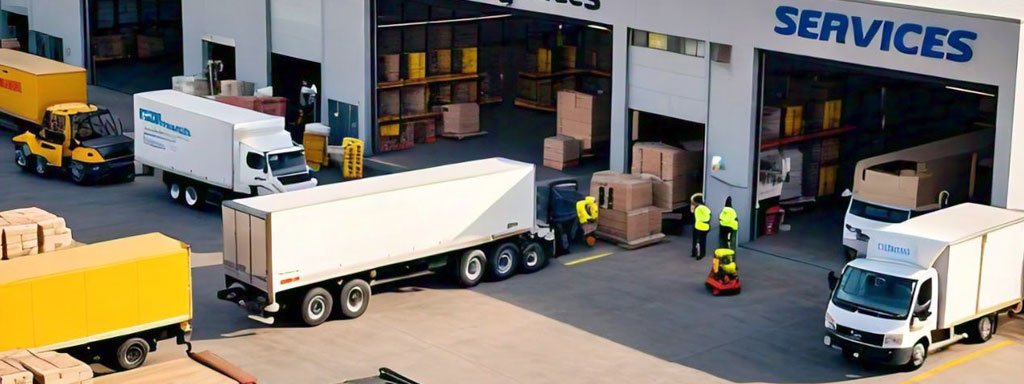
Warehousing and distribution form the backbone of efficient order fulfillment. Warehouses serve as strategic storage hubs, optimizing inventory levels and facilitating smooth order processing. Key activities include:
- Inventory management: Maintaining accurate stock levels to avoid stockouts or overstocking.
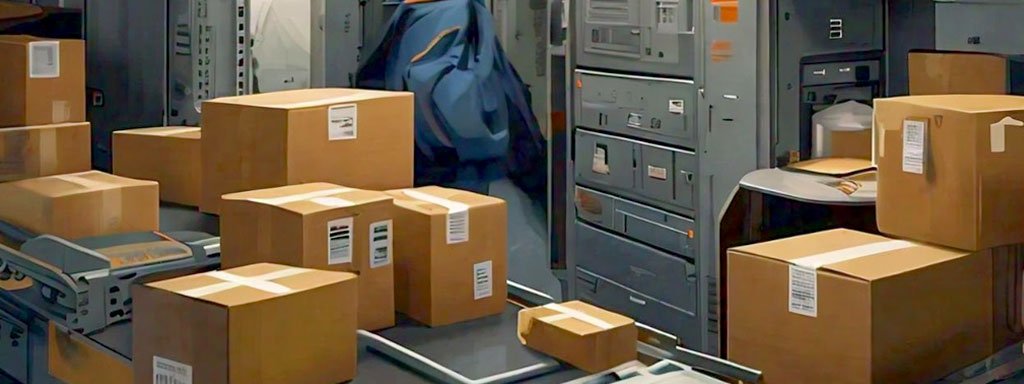
- Order picking and packing: Accurately select and prepare products for shipment.
- Shipping and receiving: Managing inbound and outbound goods efficiently.
- Warehouse management systems (WMS): Utilizing technology to streamline operations.
Effective warehouse management is crucial for meeting customer demands, reducing shipping costs, and improving overall supply chain performance. By implementing advanced warehouse technologies and optimizing space utilization, businesses can enhance operational efficiency and customer satisfaction.
Transportation: The Lifeblood of Logistics
Transportation is the engine that drives the movement of goods across various modes. The choice of transportation mode depends on factors such as product characteristics, delivery time, and cost. Key transportation options include:
- Road freight: Flexible and cost-effective for short to medium distances.
- Rail freight: Ideal for bulk commodities and long-haul transportation.
- Air freight: Prioritized for time-sensitive and high-value goods.
- Ocean freight: Cost-effective for large volumes of goods shipped over long distances.
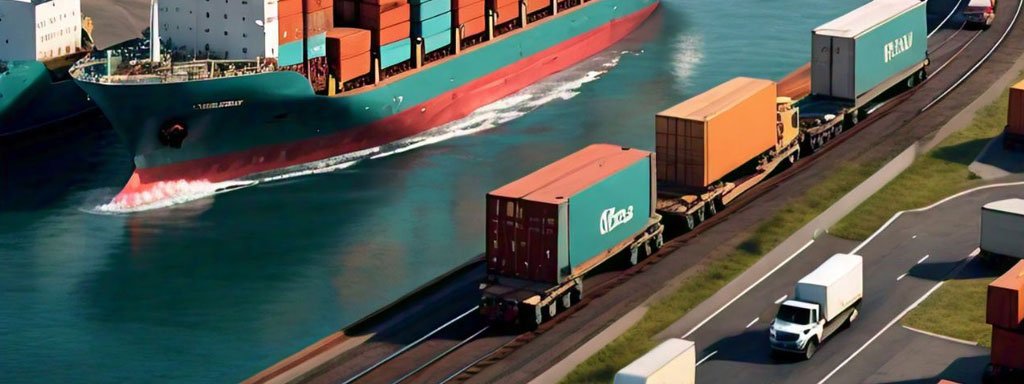
The efficient coordination of different transportation modes, known as intermodal transportation, offers enhanced flexibility and cost savings. By leveraging the strengths of each mode, businesses can optimize their supply chains and deliver goods reliably.
Supply Chain Management: Orchestrating the Supply Chain
Supply chain management (SCM) encompasses the strategic planning and coordination of all activities involved in procuring materials, transforming them into finished products, and distributing them to end customers. Effective SCM aims to create value, build a competitive advantage, and satisfy customers. Key components of SCM include:
- Demand planning: Forecasting customer demand to optimize inventory levels.
- Procurement: Sourcing materials and components from suppliers.
- Production: Manufacturing goods efficiently and effectively.
- Logistics: Managing the physical movement of goods.
- Returns management: Handling product returns and reverse logistics.
By adopting a holistic approach to SCM, businesses can improve operational efficiency, reduce costs, enhance customer satisfaction, and build stronger relationships with suppliers and customers.
Reverse Logistics: Closing the Loop
Reverse logistics involves the planning, implementation, and control of the efficient flow of products and related information from the point of consumption back to the point of origin for the purpose of reuse, repair, or recycling. This process has gained significant importance due to environmental concerns and customer satisfaction. Key activities in reverse logistics include:
- Product returns: Handling customer returns and issuing refunds or replacements.
- Repair and refurbishment: Restoring products to working condition.
- Recycling and disposal: Minimizing waste and environmental impact.
Effective reverse logistics systems can improve brand reputation, reduce costs, and contribute to sustainability initiatives. By incorporating reverse logistics into their operations, businesses can demonstrate their commitment to environmental responsibility and customer satisfaction.
Customs Brokerage: Navigating Global Trade
Customs brokerage is a specialized service that assists businesses in complying with customs regulations and procedures. Customs brokers handle import and export documentation, customs clearance, and duty payments. Key services include:
- Tariff classification: Determining the correct customs duties for imported goods.
- Documentation preparation: Completing and submitting required customs forms.
- Customs clearance: Obtaining customs release for imported goods.
- Duty and tax payment: Calculating and remitting import duties and taxes.
By partnering with a reputable customs broker, businesses can streamline their import and export processes, avoid costly delays, and ensure compliance with customs regulations.
Intermodal Transportation: Combining Strengths
Intermodal transportation involves the seamless transfer of goods between different transportation modes, such as ships, trains, trucks, and airplanes. This approach offers several advantages, including:
- Cost efficiency: Optimizing transportation costs by selecting the most suitable mode for each leg of the journey.
- Improved transit times: Reducing overall delivery times through efficient mode shifts.
- Reduced environmental impact: Lowering carbon emissions by utilizing more sustainable transportation options.
By effectively utilizing intermodal transportation, businesses can enhance supply chain flexibility, reduce transit times, and contribute to environmental sustainability.
Cold Chain Logistics: Protecting Perishable Goods
Cold chain logistics focuses on maintaining the temperature-controlled environment required for perishable products, such as pharmaceuticals, food, and chemicals. It involves a complex network of transportation, warehousing, and handling processes to ensure product quality and safety. Key components of cold chain logistics include:
- Temperature monitoring: Continuously tracking product temperature to prevent spoilage.
- Equipment maintenance: Ensuring the proper functioning of refrigeration equipment.
- Emergency response: Developing contingency plans for temperature deviations.
By investing in robust cold chain infrastructure and implementing stringent quality control measures, businesses can protect product integrity, minimize losses, and comply with regulatory requirements.
Conclusion
The logistics industry is diverse and complex. By comprehending the different logistics services and their connections, businesses can optimize supply chains, cut costs, enhance customer satisfaction, and secure a competitive advantage. As global trade expands, logistics will play an increasingly vital role in fostering economic growth and sustainability.
Share This Story, Choose Your Platform!
Contents
Related Posts
From Click to Doorstep: The Intricate Journey of Your Online Order
The Invisible Force: How Logistics Keeps the World Running
Demystifying Logistics: A Beginner’s Guide to Supply Chain Efficiency
Land Logistics: Boost Efficiency & Growth