
How Logistics Powers the Global Economy
Have you ever wondered how your morning coffee, sourced from distant lands, ends up in your cup? Or how essential medical supplies reach hospitals in times of crisis? The answer lies in the intricate web of logistics, the unsung hero of our modern world. Logistics is the strategic management of the flow of goods, information, and other resources, ensuring they reach the right place at the right time. It’s the invisible force that keeps our global economy humming and our lives functioning smoothly.
What is Logistics?
At its core, logistics covers a wide range of activities aimed at optimizing the movement and storage of goods, from sourcing raw materials to delivering finished products to consumers. Key components of logistics include:
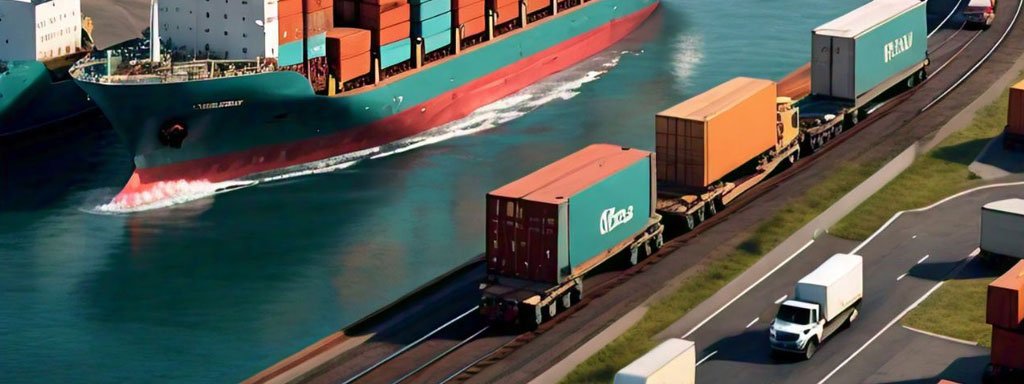
- Transportation: Moving goods efficiently by various modes (road, rail, air, sea)
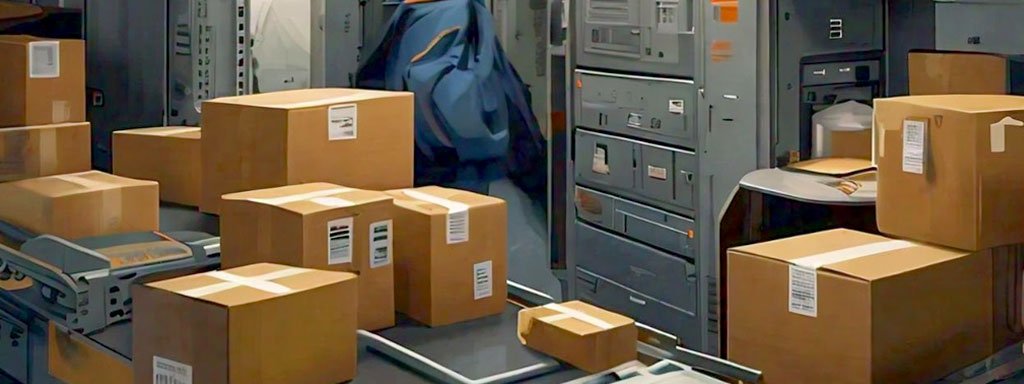
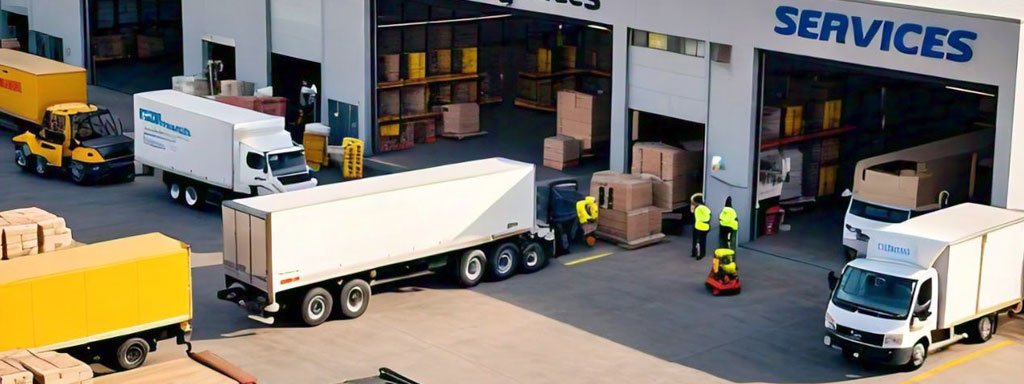
- Warehousing: Storing products safely and accessibly
- Inventory management: Balancing supply and demand to avoid stockouts or excess inventory
- Supply chain management: Coordinating the flow of goods and information across multiple organizations
The Importance of Logistics in Our Daily Lives
Logistics is woven into the fabric of our daily existence. From the clothes we wear to the food we eat, logistics ensures that products reach us when and where we need them. Consider the journey of a simple t-shirt: it involves complex supply chain management spanning continents, including cotton cultivation, textile manufacturing, transportation, and retail distribution.
Beyond consumer goods, logistics plays a vital role in supporting critical sectors:
- Healthcare: Timely delivery of medicines and medical equipment
- Emergency response: Rapid transportation of aid and supplies during disasters
- E-commerce: Efficient fulfillment of online orders
Logistics and the Global Economy
The global economy is heavily reliant on efficient logistics. International trade, a cornerstone of economic growth, depends on seamless transportation and customs clearance. Countries with robust logistics infrastructure attract foreign investment and foster economic development.
Key roles of logistics in the global economy include:
- Facilitating international trade: Overcoming geographical barriers and connecting markets
- Driving economic growth: Supporting job creation and industrial development
- Enhancing competitiveness: Improving supply chain efficiency and reducing costs
Challenges Faced by the Logistics Industry
The logistics industry operates in a dynamic and complex environment, facing a multitude of challenges:
- Supply chain disruptions: Unforeseen events like natural disasters, geopolitical tensions, and labor shortages can disrupt the flow of goods.
- Evolving customer expectations: Consumers demand faster delivery, increased product customization, and greater transparency.
- Sustainability concerns: The industry is under pressure to reduce its environmental impact through greener practices.
- Technological advancements: Embracing new technologies while managing associated costs and risks
The Future of Logistics
The logistics industry is experiencing a transformation driven by technological advancements and changing consumer preferences. Key trends shaping the future include:
- Automation and robotics, which increase efficiency and reduce labor costs
- Artificial intelligence, which optimizes decision-making and enhances supply chain visibility
- E-commerce growth, which drives demand for last-mile delivery solutions
- Sustainability, which involves adopting eco-friendly practices to reduce carbon footprint
Conclusion
Logistics is the unsung hero that powers our global economy and enriches our lives. It is a complex and dynamic industry facing numerous challenges but also brimming with opportunities. As technology continues to advance and consumer expectations evolve, the logistics industry will play an even more critical role in shaping our future. By understanding the importance of logistics and supporting its development, we can build a more connected, efficient, and sustainable world.
FAQs
Share This Story, Choose Your Platform!
Contents
Related Posts
From Click to Doorstep: The Intricate Journey of Your Online Order
Navigate the Complexities of Mastering Logistics: A Deep Dive into Service Types
Demystifying Logistics: A Beginner’s Guide to Supply Chain Efficiency
Land Logistics: Boost Efficiency & Growth