
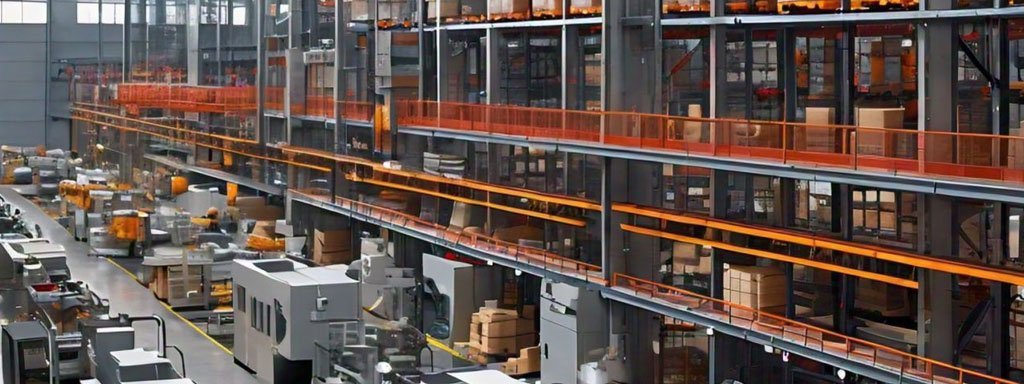
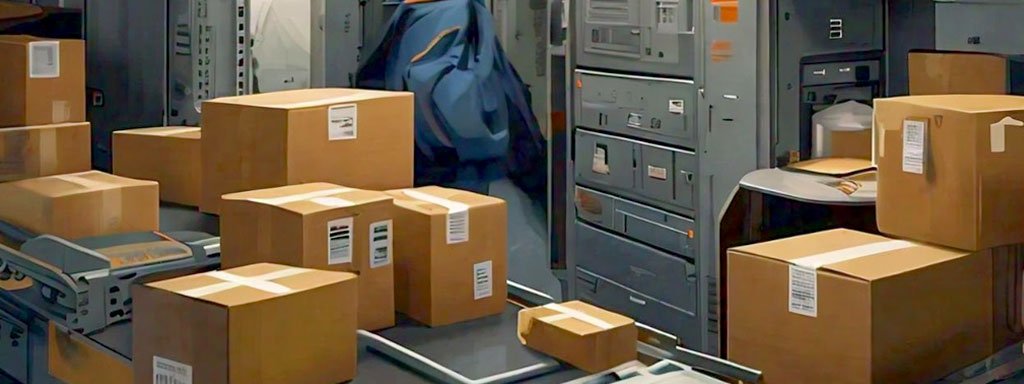
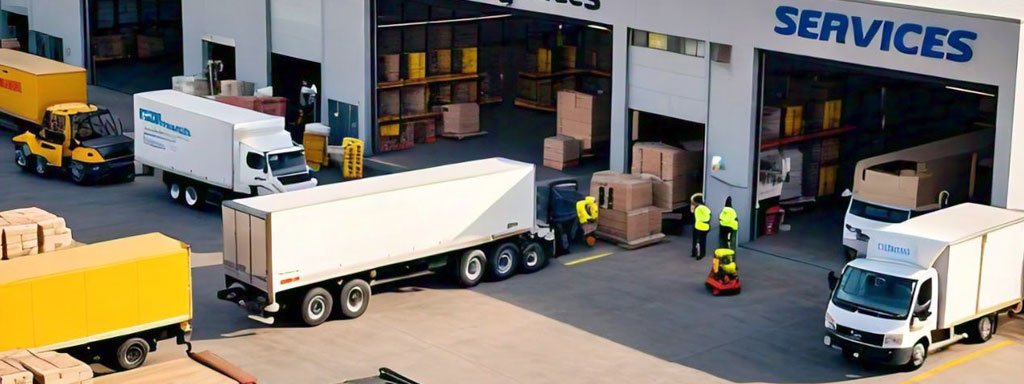
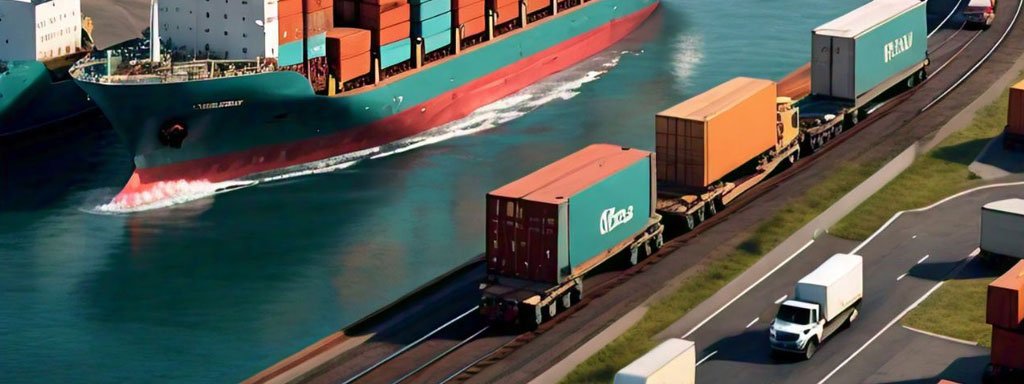
In our fast-paced world, efficiently getting goods from production to consumers is critical. This is where logistics comes in – the intricate dance of managing the movement, storage, and flow of products. From raw materials to finished goods, logistics ensures everything arrives at the right place, at the right time, and in the right condition.
But what if we could take logistics to the next level? Enter integrated logistics, an advanced approach that goes beyond the simple movement of goods. It’s a comprehensive strategy that emphasizes coordination and a holistic view of the entire supply chain. Imagine all the departments involved in getting a product to your doorstep – procurement, manufacturing, warehousing, and shipping – working together seamlessly. That’s the power of integrated logistics.
Definition of Integrated Logistics
Integrated logistics goes beyond the traditional logistics approach of managing separate functions in silos. Instead, it acts as a comprehensive strategy for managing the entire supply chain, encompassing everything from sourcing raw materials to delivering the finished product to the customer. This holistic approach ensures all the moving parts work together seamlessly, optimizing efficiency and reducing potential disruptions.
Integrated logistics is a comprehensive strategy for managing the entire supply chain. It involves seamlessly integrating all the activities involved in moving a product, from sourcing raw materials to delivering the finished product to the customer. This includes:
- Procurement
- Production planning
- Inventory management
- Warehousing and fulfillment
- Transportation
- Order processing
- Customer service
Key Aspects of Integrated Logistics
- Seamless Collaboration Across Departments: Imagine marketing, production, warehousing, and transportation no longer operating as independent entities. In an integrated system, these departments work together as a well-oiled machine, with:
- Marketing: Providing accurate sales forecasts to production and inventory management teams, ensuring sufficient stock to meet customer demand.
- Production: Planning manufacturing schedules based on real-time inventory data and order fulfillment needs.
- Warehousing: Efficiently storing and managing inventory, ensuring fast order picking and dispatch.
- Transportation: Choosing the optimal shipping methods and routes based on cost, speed, and customer requirements.
Real-Time Data Flow for Informed Decision-Making
The cornerstone of integrated logistics is the real-time flow of information. Through advanced technology, all departments have instant access to critical data on:
- Inventory levels: Knowing exactly how much stock is on hand at any given location allows for optimized production planning and prevents stockouts.
- Shipment location and tracking: Real-time tracking of goods in transit ensures transparency and allows for proactive adjustments in case of delays.
- Potential disruptions: Early warning signs of issues like weather events or port congestion allow companies to take preventative actions and minimize disruptions.
Technology- Streamlining Operations with Automation and Analytics
Technology plays a vital role in facilitating integrated logistics. Here are some key tools used:
- Warehouse Management Systems (WMS): These software programs automate tasks like inventory control, order picking, and shipping, ensuring accuracy and efficiency.
- Data Analytics: By analyzing vast amounts of data, companies can identify trends, predict demand fluctuations, and optimize their logistics strategies.
- Automation Tools: From automated guided vehicles in warehouses to robotic picking and packing systems, automation helps streamline operations and reduce human error.
Through this synergy of cross-functional collaboration, real-time information flow, and powerful technology, integrated logistics empowers businesses to make smarter decisions, optimize their supply chains, and ultimately deliver a superior customer experience.
Benefits of Integrated Logistics
By implementing a well-designed integrated logistics strategy, businesses can reap significant benefits, including:
- Increased Efficiency and Cost Savings: Streamlined operations, reduced redundancies, and improved decision-making through real-time data all contribute to significant cost savings.
- Improved Customer Service: Faster deliveries, accurate order tracking, and the ability to respond to inquiries promptly enhance the customer experience and foster loyalty.
- Greater Flexibility to Adapt to Changes: Integrated logistics enables companies to respond promptly to market fluctuations or sudden spikes in demand by maintaining a transparent view of their supply chain.
- Enhanced Visibility Across the Entire Supply Chain: Real-time data provides transparency throughout the entire supply chain, allowing for proactive problem-solving and improved risk management.
Example-The Power of Integrated Logistics in Action
Let’s take a look at a real-world example. Imagine a leading online retailer that uses integrated logistics to gain a competitive advantage. Here’s how it might work:
- Marketing: The marketing team shares real-time sales data with the inventory management team. This allows for accurate forecasting and ensures popular items are always in stock.
- Production: Production schedules are adjusted based on sales forecasts and real-time inventory levels, preventing overproduction or stockouts.
- Warehousing: Warehouse automation and a WMS ensure efficient storage, picking, and packing of orders, allowing for fast turnaround times.
- Transportation: The retailer uses a network of strategically located warehouses and data-driven shipping methods to optimize delivery routes and ensure fast and cost-effective fulfillment.
Through this integrated approach, the online retailer can offer customers:
- Fast and reliable deliveries: Customers receive their orders quickly and conveniently.
- Accurate order tracking: Customers can track their orders in real-time, increasing satisfaction.
- Competitive pricing: Reduced logistics costs allow the retailer to offer competitive prices.
This example demonstrates how integrated logistics empowers businesses to not only streamline operations but also deliver a superior customer experience, ultimately gaining a significant competitive edge in the marketplace.
Difference between Logistics and Integrated Logistics
Traditional logistics often operates in silos, with different departments handling various aspects of the supply chain independently. Integrated logistics breaks down these silos and fosters cross-functional collaboration. This means all departments involved (manufacturing, purchasing, sales, etc.) work together with a shared vision and real-time data to optimize the entire process.
Objectives of a Company’s Integrated Logistics
The primary objectives of integrated logistics are
- Increased Efficiency and Cost Savings: By streamlining operations and eliminating redundancies, companies can save time and money.
- Improved Customer Service: Faster deliveries, accurate order tracking, and better responsiveness to inquiries all contribute to a more positive customer experience.
- Greater Flexibility: Integrated logistics allows companies to adapt quickly to changes in demand or market conditions.
- Enhanced Visibility: Real-time data provides a clear picture of inventory levels, shipment locations, and potential disruptions throughout the supply chain.
How is Integrated Logistics Integrated into a Company?
Integrating logistics requires a shift in mindset and company culture. Here are some key aspects:
- Technology: Implementing warehouse management systems, data analytics tools, and automation technologies helps streamline operations and improve information flow.
- Communication: Fostering open communication and collaboration across all departments is crucial for successful integration.
- Shared Goals: Aligning everyone with the overall objectives of the integrated logistics strategy is essential.
The Future of Integrated Logistics- Embracing New Technologies
The future of integrated logistics is brimming with exciting possibilities. Here are some emerging trends to watch:
- Artificial Intelligence (AI): AI can be used for predictive analytics, optimizing inventory management, forecasting demand fluctuations, and even automating transportation decisions.
- Blockchain: This secure and transparent technology can revolutionize supply chain management by providing a tamper-proof record of every step in a product’s journey, from origin to final destination.
By embracing these and other emerging technologies, businesses can further enhance their integrated logistics strategies and gain a significant edge in the competitive landscape.
Explore the Power of Integrated Logistics
In today’s globalized economy, a well-designed integrated logistics strategy is no longer a competitive advantage; it’s becoming a necessity. If you’re a business owner or manager, take some time to explore how integrated logistics can benefit your company. By breaking down departmental silos, implementing real-time data flow, and leveraging technology, you can streamline your operations, improve customer service, and gain a significant edge in the marketplace. Don’t wait – unlock the power of integrated logistics and watch your business thrive!
Conclusion
In conclusion, integrated logistics is the evolution of traditional logistics, transforming it from a series of disjointed tasks into a finely tuned symphony of interconnected functions. By promoting smooth collaboration among departments, utilizing real-time data flow, and embracing advanced technologies, integrated logistics enables businesses to gain substantial advantages. From improved efficiency and cost savings to enhanced customer service and increased flexibility, the benefits are undeniable.
The future of integrated logistics is bright, with advancements in AI and blockchain poised to revolutionize supply chain management further. As a business leader, don’t miss out on this opportunity to streamline operations, improve customer satisfaction, and gain a competitive edge. Embrace integrated logistics and unlock the full potential of your supply chain!
FAQs
Share This Story, Choose Your Platform!
Contents
Related Posts
From Click to Doorstep: The Intricate Journey of Your Online Order
Navigate the Complexities of Mastering Logistics: A Deep Dive into Service Types
The Invisible Force: How Logistics Keeps the World Running
Demystifying Logistics: A Beginner’s Guide to Supply Chain Efficiency